Search something
Helping industries lead the energy transition, today.
Carbon reduction without compromise.
At Future Biogas, we’re a UK leader in the design, development, construction and operation of Anaerobic Digestion (AD) plants that produce clean, sustainable biomethane.

By converting locally grown rotational energy crops into biogases, Future Biogas supports local farmers, a circular economy and the transition to a low-carbon future, whilst giving companies a viable route to decarbonise their operations.
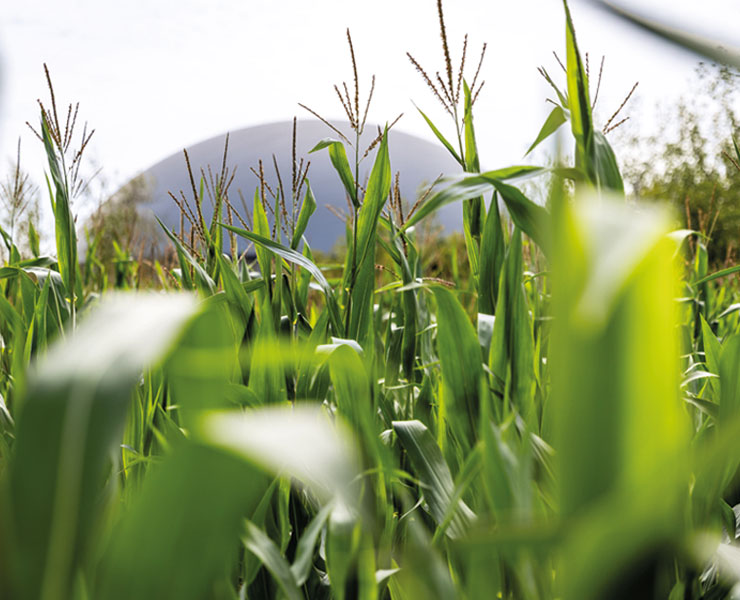
future-biogas-Homepage-Biogasplant-maize

Biogas

Not just renewable. Responsible.

With a focus on innovation, sustainability, and rural partnerships, Future Biogas enables organisations to reduce emissions, enhance energy security, and meet net-zero goals. We achieve this through reliable, scalable, and environmentally responsible biogas solutions that can displace fossil fuels today without the need to change existing infrastructure.

Why Future Biogas?

For over 15 years, Future Biogas has been one of the largest developers, owners and operators of anaerobic digestion plants in the UK. Today, our biomethane delivers more than 10% of all biomethane injected directly into the UK gas network.
Real Decarbonisation Without Disruption

Biomethane offers a powerful way for organisations to cut emissions immediately without costly infrastructure changes or operational downtime. As a direct, renewable substitute for natural gas, it can be used in existing systems and processes — helping businesses decarbonise heat and energy use today, while still pursuing electrification and efficiency improvements where possible. It’s a practical, scalable step toward Net Zero that delivers real impact, right now.

A Trusted, Long-Term Partner

We believe the best outcomes come from genuine win-win partnerships — where transparency, fairness, and shared ambition underpin everything we do. We build long-term relationships based on trust, collaboration, and mutual success, ensuring that every project delivers value for our partners, our communities, and the planet.

Unsubsidised and Fully Additional

We’re focused on ensuring that every new biogas project we bring online delivers genuine additionality — creating new, sustainable energy capacity that strengthens the UK’s low-carbon infrastructure. By developing unsubsidised projects, we’re enabling corporate partners to take ownership of their own decarbonisation journeys, complementing government-supported initiatives while reducing reliance on public funding.

With Carbon Capture We Go Further

By integrating Carbon Capture and Storage (CCS) into our biogas process, we’re looking to take renewable energy a step beyond carbon neutrality. Capturing and permanently storing the biogenic CO2 released during upgrading means we won’t just avoid emissions — we can actively remove carbon from the atmosphere. This turns our plants into carbon-negative facilities, helping to reverse the effects of climate change while producing the reliable, renewable energy the UK needs to reach Net Zero.
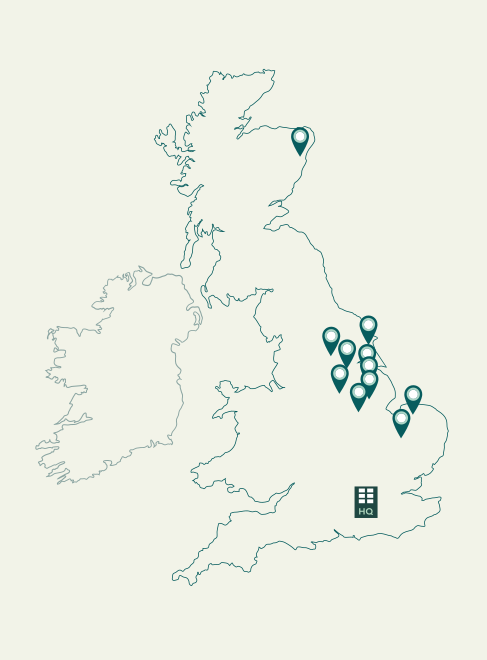
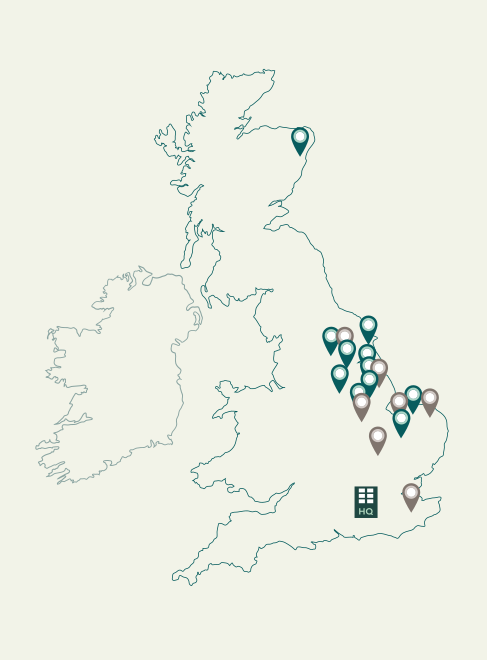
Stats Custom Map
Operating
Anaerobic Digestion (AD) plants
Stats Custom Map
Operating
Anaerobic Digestion (AD) plants

UK Leading Operator

Proven at Scale, Delivered Today

Future Biogas isn’t theoretical. We’re already producing and delivering biomethane at scale—powering industry, not just planning for it.

Today
Tomorrow
Stats Custom Map
Operating
Anaerobic Digestion (AD) plants
Stats Custom Map
Operating
Anaerobic Digestion (AD) plants
Producing
TWh per year of biomethane
Partnering with
UK farms that supply crops to the AD plants

How it works

Find out more about anaerobic digestion and how it works

Who We Work With

Data Centres

Data centres face significant obstacles given their rapidly increasing energy demands and the challenge of securing sustainable sources of power
Find out more

General Manufacturing

Manufacturers often struggle with volatile energy prices and the pressure to decarbonise production lines while staying competitive. General consumers expect companies to act on climate change.
Find out more

Heavy Industry

Heavy industries from steel to cement are among the hardest sectors to decarbonise, with high heat requirements and limited alternatives to fossil fuels.
Find out more

Consultants

Sustainability and energy consultants play a pivotal role in guiding businesses through the transition.
Find out more
Future Biogas | who we work | with Data Centres
Future Biogas | who we work with | General Manufacturing
Future Biogas l who we work with l Heavy Industry
Future Biogas l who we work with l Consultants
Future Biogas | who we work | with Data Centres
Future Biogas | who we work with | General Manufacturing
Future Biogas l who we work with l Heavy Industry
Future Biogas l who we work with l Consultants

Case Studies

AstraZeneca & Future Biogas

Gonerby Moor, Lincolnshire

Future Biogas l Homepage l Farming l Harvest l Maize

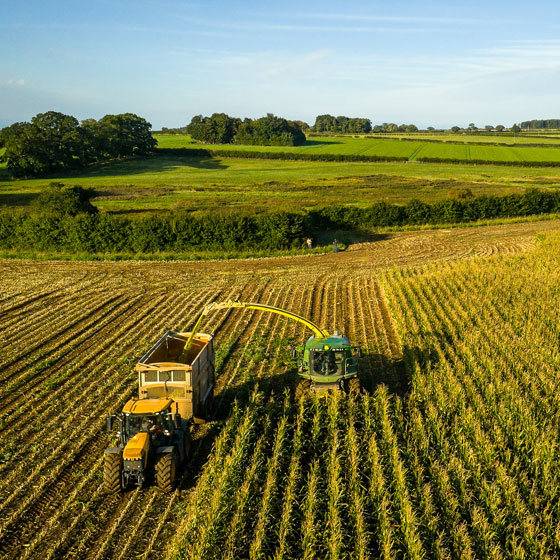
Over the years, Future Biogas has built a trusted reputation amongst the farming community, and we strive to work in close partnership with all of our growers.

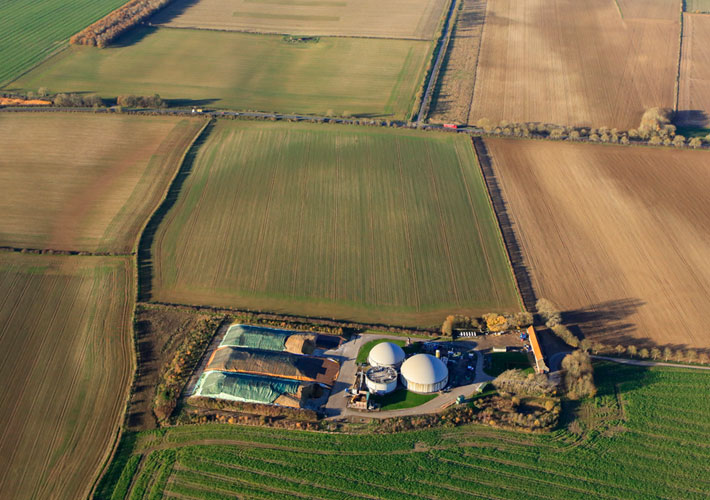
future-biogas-HomePage-GrangeFarm-biodiversity

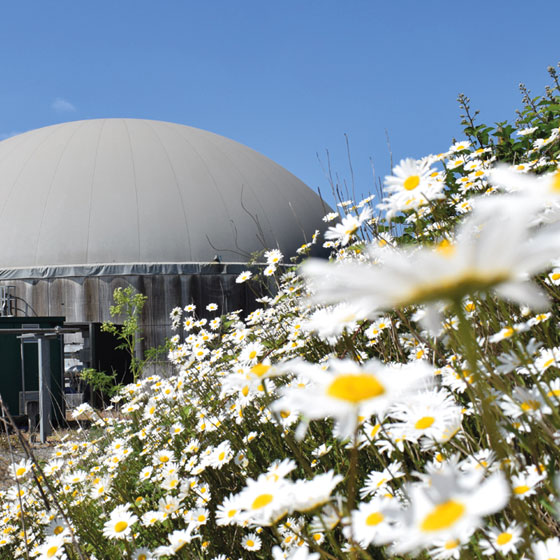
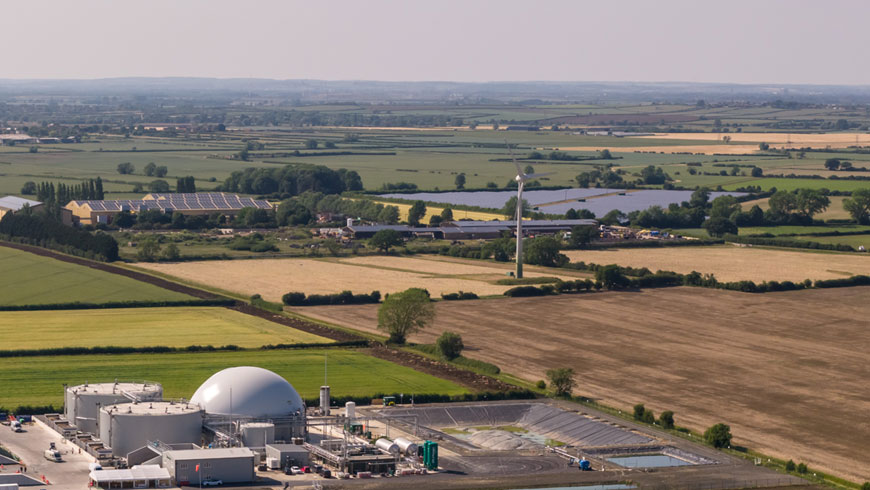
As one of the largest providers of biomethane in the UK, we operate 11 sites across the country and have many more in planning.

Resources
How it Works
What We Produce
The Process
Biomethane vs Other Renewable Solutions
Mute

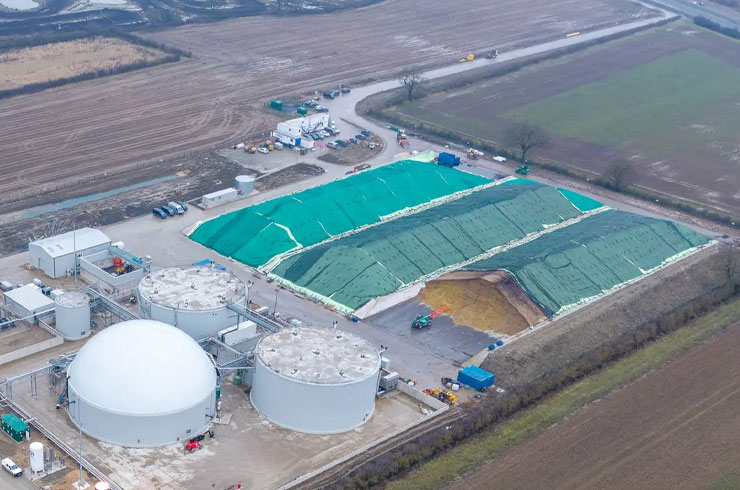
Project Carbon Harvest is the UK’s first unsubsidised biomethane initiative, marking a major step in decarbonising the national energy system. It produces biomethane from locally grown sustainable crops and feeds it into the national grid, providing a secure, domestic, renewable alternative to fossil gas. The project also supports UK farmers by improving crop rotations and reducing dependence on fossil-based inputs, helping balance energy security, food production and soil health.

Future Biogas l Homepage l What we produce l Maize field

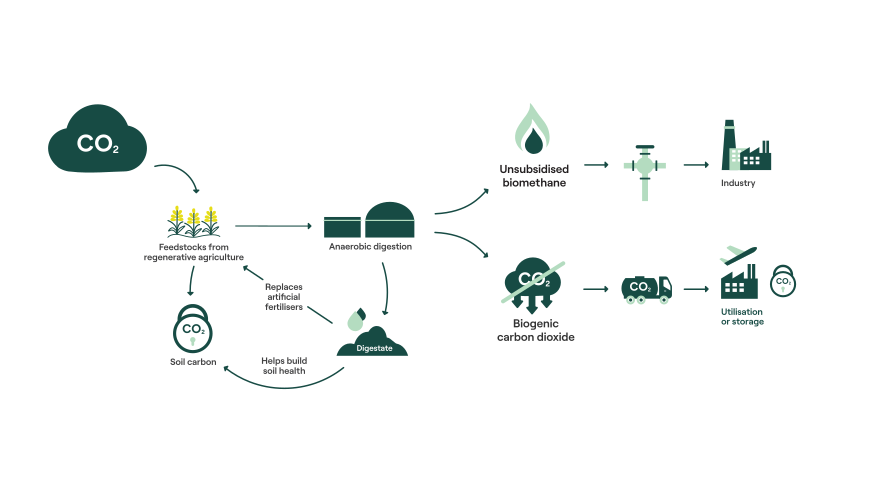
Our advanced process results in three valuable resources:

  • Biomethane – CH4 (renewable green gas)
  • Biogenic carbon dioxide – CO2 (biogenically derived carbon dioxide)
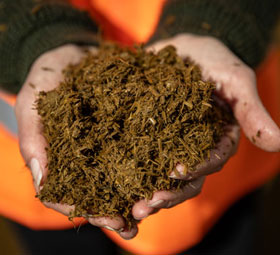
  • Biofertiliser (also known as digestate)
Future Biogas l Homepage i How this process works

Cultivating Net Zero

At its core, anaerobic digestion is a natural biological process. As plants grow, they absorb CO from the atmosphere and convert it into organic compounds through photosynthesis. Once harvested, crop feedstock is fed into anaerobic digesters, where micro-organisms break it down in oxygen-free conditions, producing biogas and leaving a valuable residue called digestate.

Future Biogas l Homepage l Solar wind biomethane

Biomethane is not a silver bullet, but does have a key role to play in the energy mix. It is:

  • Often quicker to secure a grid connection than electricity
  • More available and cost effective than hydrogen
  • Still effective for high heat executions
  • Can be a viable feedstock for chemical processes

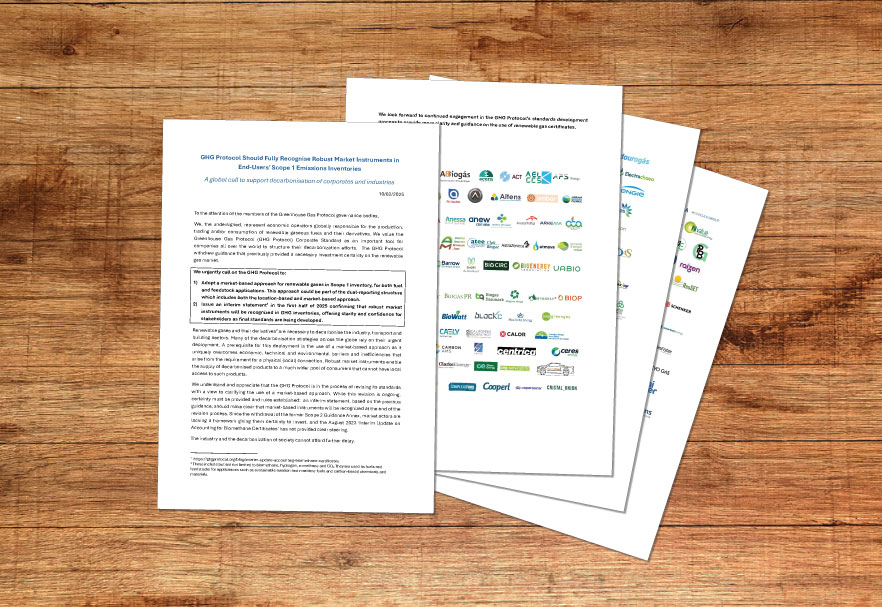
Reports & White Papers

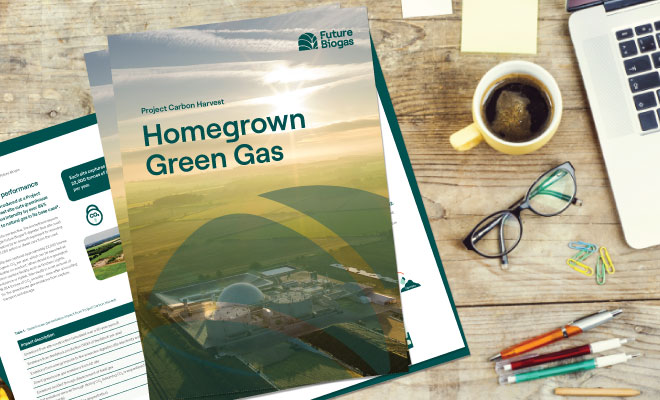
Homegrown Green Gas
Future-Biogas-Homegrown-Green-Gas-brochure

Find out more about how Future Biogas can work for your business by downloading the latest version of our Homegrown Green Gas brochure

Download Report
  • Through strategic partnerships with pioneering businesses and long-term collaborations with farmers, we are enabling meaningful decarbonisation across multiple sectors.

    We actively support and fund sustainable agricultural practices, such as diverse crop rotations, minimal soil disturbance, and the use of digestate – a nutrient-rich, biofertiliser created by anaerobic digestion – boosting soil health and productivity.

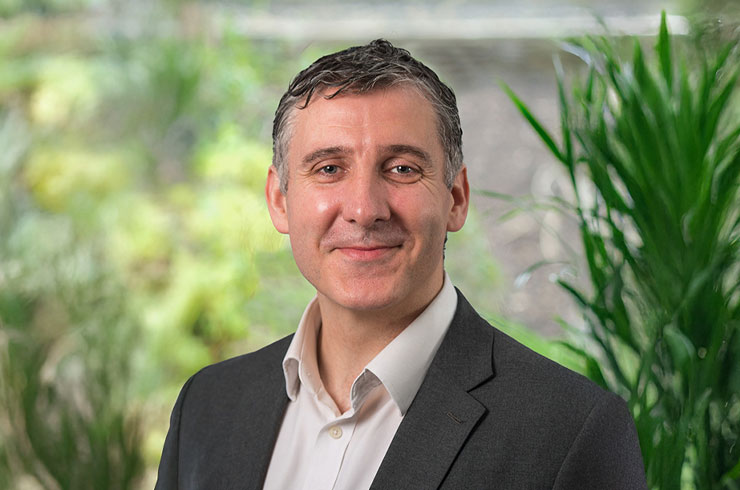
    Philipp Lukas
    CEO, Future Biogas

Key Stats - Moor Bioenergy

Supplying over
of renewable energy annually to AstraZeneca UK
Equivalent to
of the company’s total UK
gas consumption
With more than
biogenic CO₂ captured and utilised annually

Latest News

Keep abreast of the latest Future Biogas news, research, publications and announcements.