Operating with integrity
Anyone can claim sustainability or quality. We prove it. Through rigorous third-party verification, transparent reporting, and full compliance with international standards, we show that our impact is measurable and trusted. It’s not just about ticking a box. It’s about demonstrating that our actions deliver.
International Sustainability and Carbon Certification (ISCC)
ISCC certification ensures emissions are calculated using a methodology aligned with the European Union’s Renewable Energy Directive. The results of this life-cycle assessment are included in a ‘proof of sustainability’ certificate, confirming compliance with ISCC sustainability criteria. These independently verified certificates are then supplied to customers.
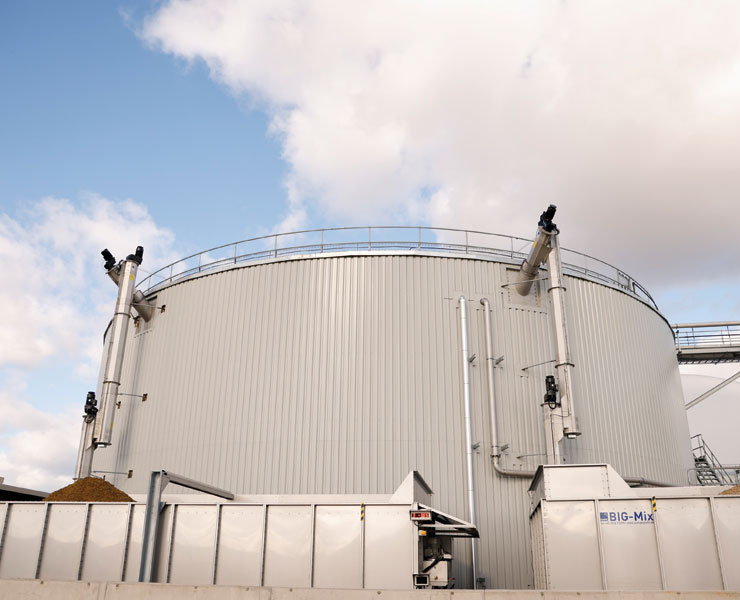
Each year, an independent auditor reviews the activity data to verify the life-cycle assessment’s claims. Auditors also check on broader sustainability criteria (outlined below), and visit both the anaerobic digestion plant and farms supplying the feedstock. All Future Biogas anaerobic digestion sites and feedstock supply chains will be certified under the ISCC – one of the most demanding standards in the bioenergy industry.
A summary of ISCC's sustainability criteria
The ISCC EU (International Sustainability and Carbon Certification – EU) scheme sets out strict sustainability criteria to ensure that bio-based and renewable energy products are produced responsibly and deliver real greenhouse gas savings. It requires full traceability across the supply chain — from feedstock cultivation to energy production — and mandates verified greenhouse gas emission reductions compared with fossil fuels.
ISCC EU also prohibits the use of raw materials from land with high biodiversity value or high carbon stock (such as primary forests, wetlands, or peatlands) and enforces good agricultural and environmental practices to protect soil, water, and air. In addition, it includes social and ethical requirements to safeguard human rights, fair labour conditions, and lawful land use, ensuring that certified bioenergy supports both climate and community sustainability.
- Prescribed calculation methodology developed from the Renewable Energy Directive.
- Prescribed conservative emission factors with the ability to use values from operations or literature if verified by the ISCC and appointed auditors.
- Covers entire supply chain including transportation in the gas grid (cradle to grave).
- Certification requires meeting pre-determined emission intensity thresholds (>70% saving against natural gas, >80% from 2026).
- Ability to accurately track products back and forth through the supply chain, from the origin to the final delivery.
- Ability to assign specific sustainability information to batches of material; type of material; country of origin; certification scope; emission intensity; regulatory claim.
- Ability to verify batches of raw material with different sustainability characteristics and greenhouse gas emissions savings.
- Protection of land with high biodiversity value or high carbon stock.
- Environmentally responsible production to protect soil, water, and air.
- Providing safe working conditions.
- Compliance with human, labour and land rights and responsible community relations.
- Compliance with applicable laws and relevant international treaties.
- Good management practices and commitment to continuous improvement.
Renewable Energy Certificates
Renewable Gas Guarantees of Origin (RGGOs) are a type of renewable energy certificate that tracks the production, transportation and consumption of biomethane via national and international energy infrastructure. Bundled together, RGGOs, ISCC certificates and the physical gas create a Gas Supply Agreement (GSA).
This guarantees transparency and credibility, verifying a specific amount of energy has been generated from renewable sources and consumed elsewhere, preventing the risk of duplicate claims.
While RGGOs are valuable in tracking the origin of renewable energy, they may not always provide the whole picture regarding sustainability. To ensure full transparency, we provide bundled contracts that include the RGGO and the ISCC’s Proof of Sustainability certificate. These are packaged together in the customer’s Gas Supply Agreement (GSA), directly linking them with the renewable energy site.
The gas supply agreement also ensures physical gas and ‘green’ commodities are paired and allows customers to specify mutual obligations with the renewable energy producer.
Measured in megawatt-hours (MWh), each RGGO is uniquely identified and includes information about:
- The renewable technology
- Type of renewable energy source
- Producer details
- Production date
- Generation location
- Type of renewable energy source
- Subsidy status
- Sustainability accreditation
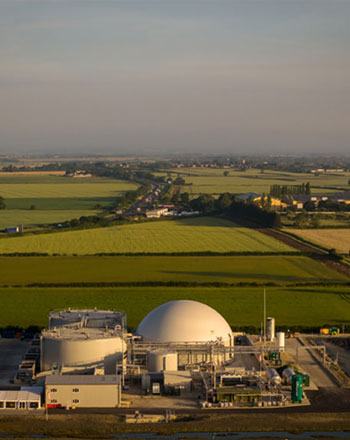
Certified: ISCC Plus
Certified: ISCC EU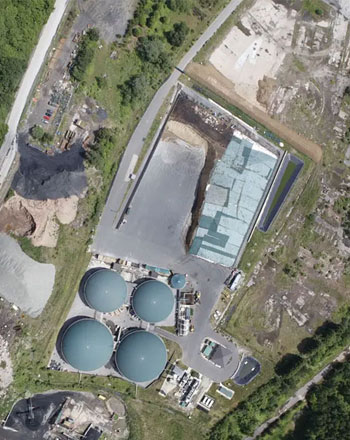
Certified: ISCC EU
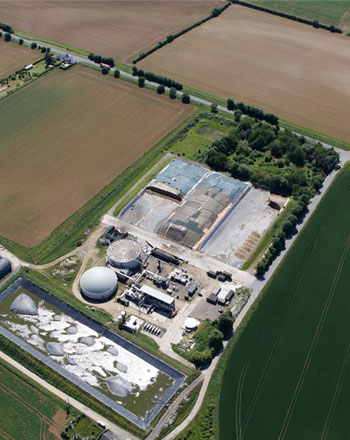
Certified: ISCC EU
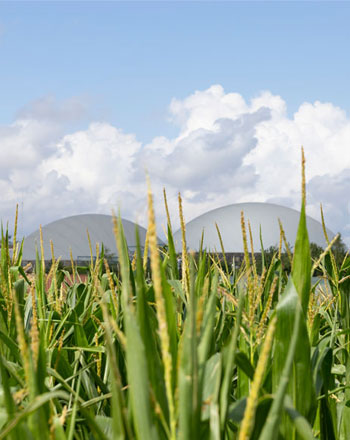
Certified: ISCC EU
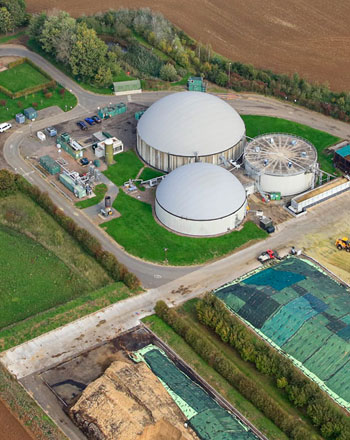
Certified: ISCC EU
A carbon intensity analysis comparing lifecycle carbon footprints of various energy sources
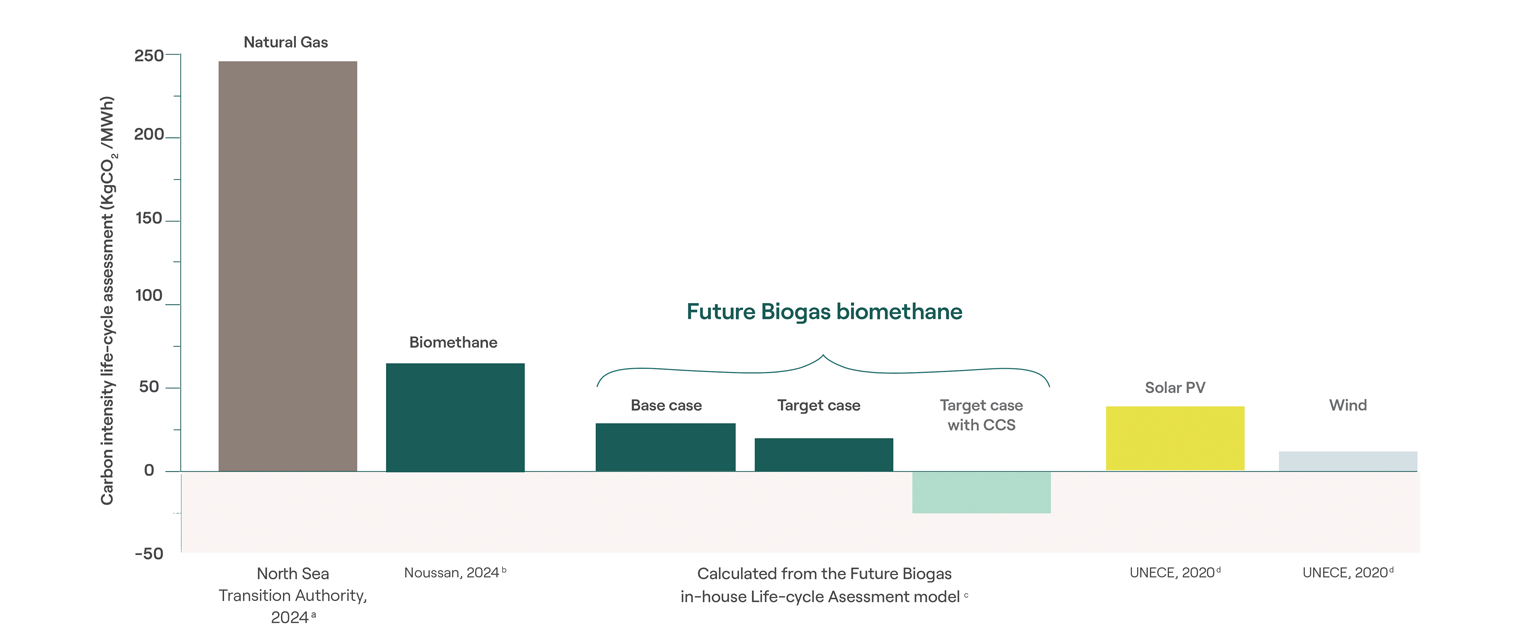
a – Emissions intensity of producing natural-gas-factsheet (2023) (https://theicct.org/recommendations-for-a-stringent-iso-standard-on-the-greenhouse-gas-emissions-from-blue-hydrogen-production/)
b – Noussan, M., Negro, V., Prussi, M. & Chiaramonti, D. The potential role of biomethane for the decarbonization of transport: an analysis of 2030 scenarios in Italy. Appl. Energy 355, 113736 (2024). DOI: 10.1016/j.apenergy.2023.113736
c – FB LCA_BECCS Model v3.13
d – UNECE. Carbon neutrality in the UNECE region: integrated life-cycle assessment of electricity sources. United Nations Economic Commission for Europe (2020). (https://unece.org/sites/default/files/2022-07/LCA_0708_correction.pdf)
Future Biogas News
See more news from Future Biogas