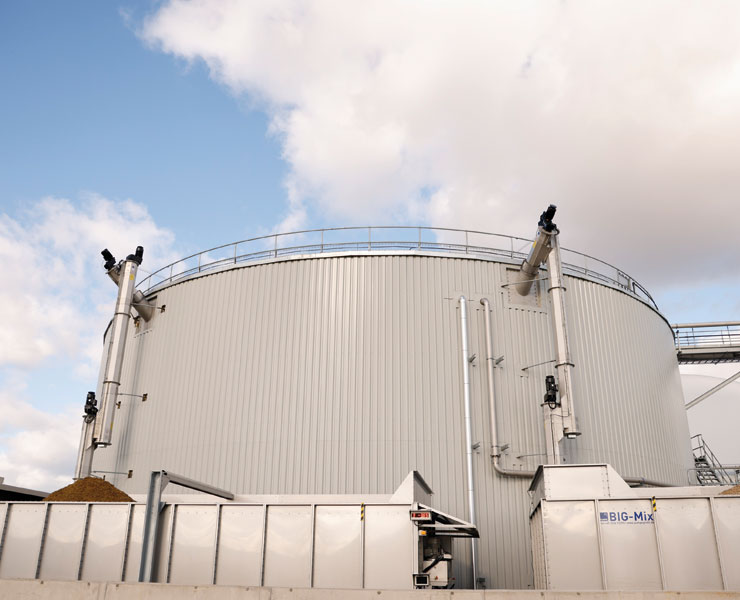
Real Decarbonisation - Minimal Disruption
Biomethane is a renewable “drop-in” replacement for fossil gas. It blends seamlessly into the existing gas grid—no new pipelines, no extra pylons and it is delivering immediate climate impact without requiring infrastructure change. It’s compatible with every usage of regular natural gas. It’s just renewable and has a much smaller carbon footprint.
Cost-Effective Decarbonisation
Biomethane is molecule-for-molecule compatible with natural gas. That means that an energy transition means:
- No stranded assets
- No premature equipment write-offs
- A lower-cost pathway to heat decarbonisation than hydrogen or electrification in many companies.
Biogas isn’t “the” solution to climate change — but it is a vital part. Biomethane helps reduce reliance on fossil fuels with a solution that’s unsubsidised, fully additional, and proven. Our partnership with AstraZeneca proves green gas can scale without taxpayer support.
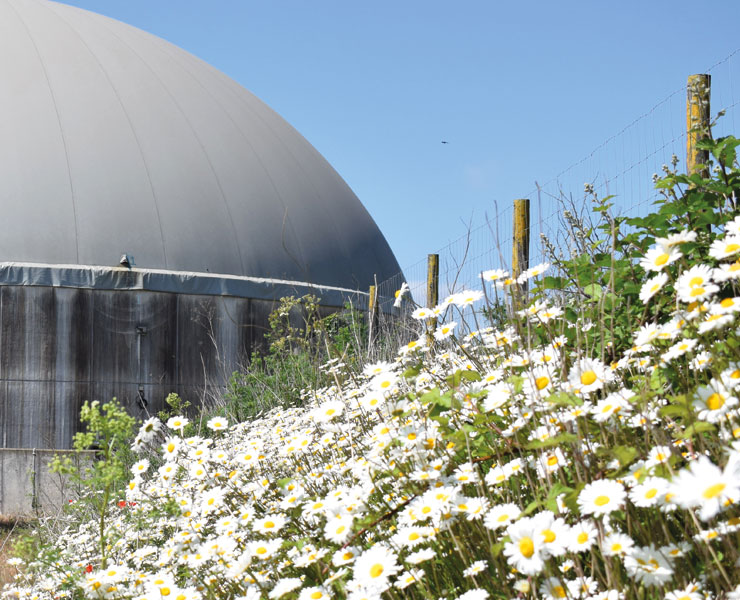
Dispatchable and Flexible
Unlike wind and solar, biomethane is storable and dispatchable—ideal for balancing grid intermittency.
The UK gas grid is already capable of storing up to 650 GWh of gas at any moment—making it the nation’s biggest battery. Through grid sleeving, we deliver green gas to where it’s needed, when it’s needed.
Fuel for Today - Scalable for Tomorrow
Biomethane already contributes ~1% of the UK’s gas supply (~5 TWh). By 2050, this could reach 120 TWh, covering more than 50% of residual gas demand.
The global biogas sector is growing fast If biogas is to scale from 5 TWh to 50 TWh by 2035, this represents a Compound Annual Growth Rate of 25% and the UK is well-positioned to lead in this space.
This is circular, regenerative agriculture in action — local, sustainable, and measurable.

Reaching Beyond Net Zero
Biomethane is nearly carbon neutral—its CO2 comes from the atmosphere, not fossil reserves.
When biomethane production is paired with Bio Energy Carbon Capture and Storage (BECCS), the whole process can become carbon-negative, removing more CO2 from the atmosphere than it creates. This can offset harder-to-abate sectors in line with the UK’s CCC (Climate Change Council) recommendations.
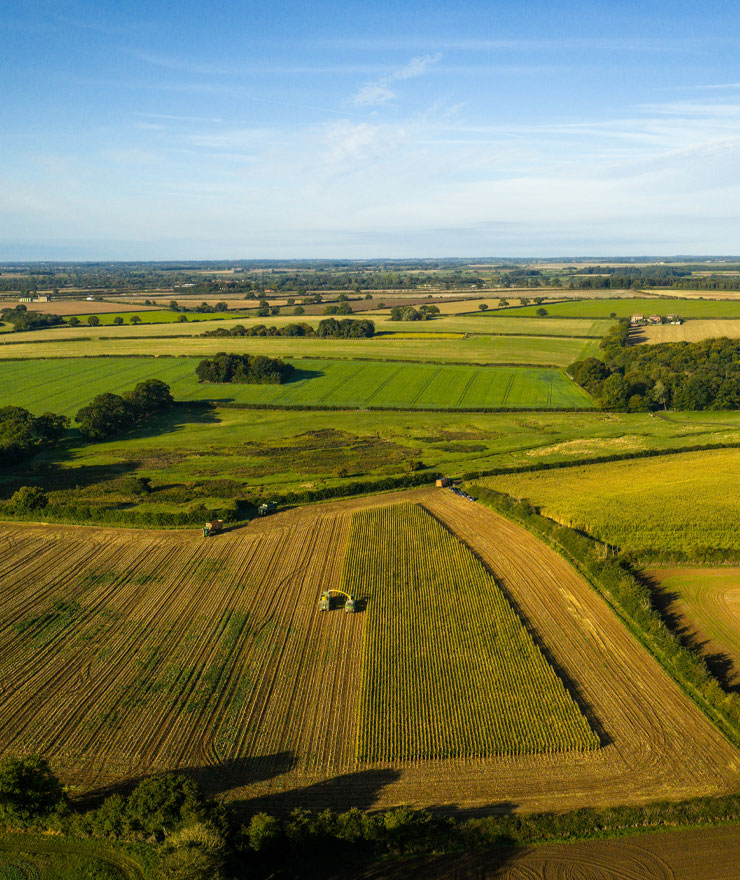
Supporting Farmers and Rural Economies
Farmers benefit through:
- New income streams from sustainable rotational crops
- Improved soil health and biodiversity through solid digestate return
- Each new plant will contribute about £7 million per year to local economies, creating direct and indirect jobs in rural areas.
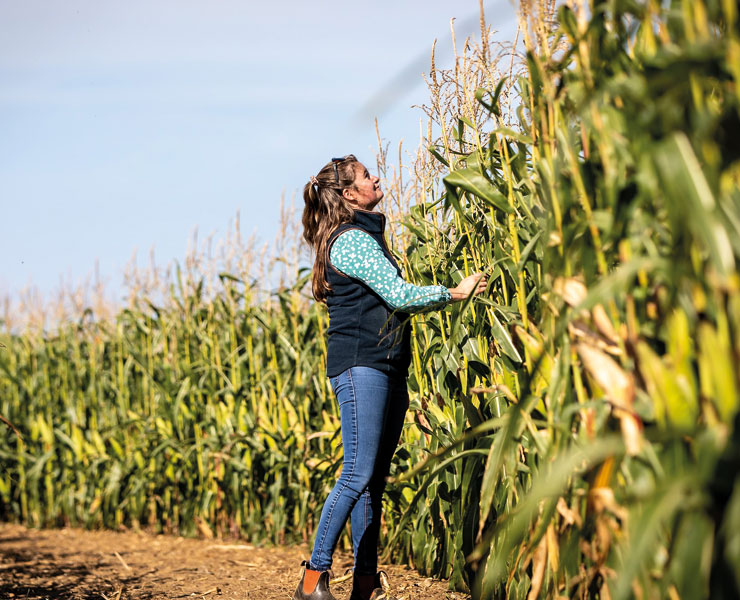
Homegrown Energy - Greater Security
Locally produced biomethane reduces exposure to volatile global energy markets.
With domestic feedstocks and stable output, it is a cornerstone of the UK’s long-term energy security strategy.