Farming
Tapping the feedstock potential for biomethane growth
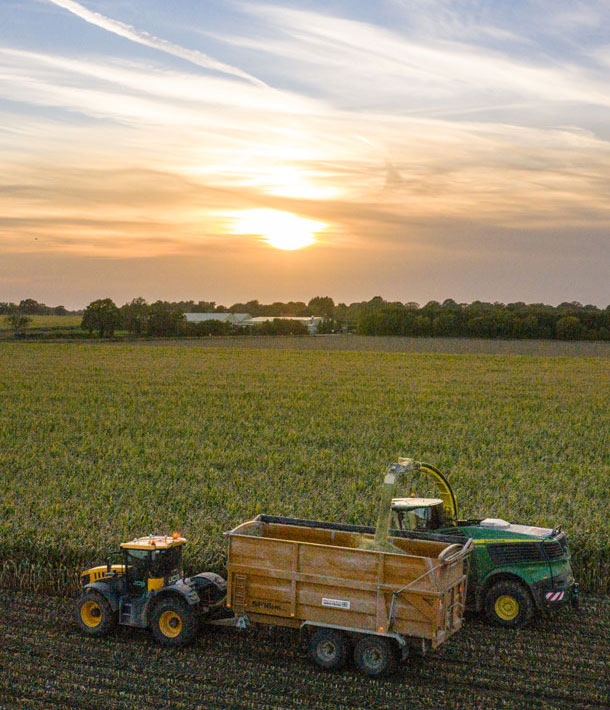
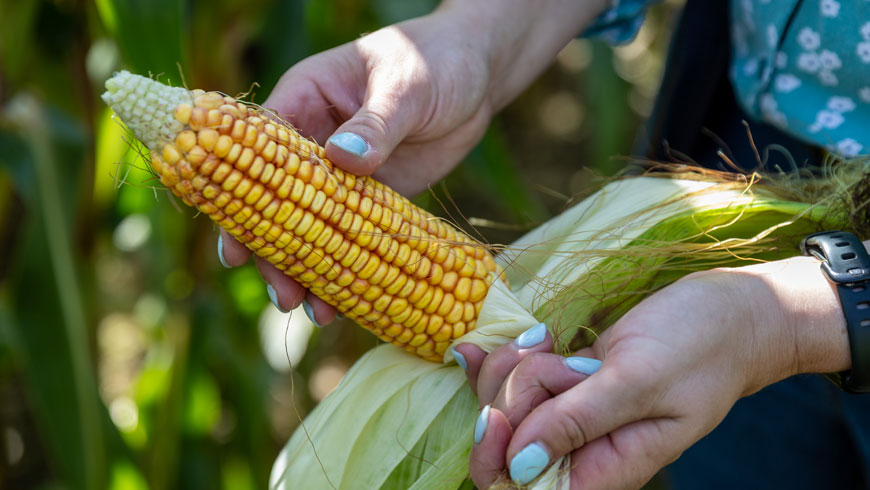
Since Future Biogas was founded in 2010, we have championed the use of sustainably produced energy crops – such as maize, rye, barley and grass – grown on farms within 15 miles of our AD plants.
Growing energy crops for anaerobic digestion provides farmers with the opportunity to diversify income, decarbonise inputs, and enhance soil health and resilience. A more diverse crop rotation also strengthens the ecosystem services of the surrounding landscape. Central to this process is the return of digestate to the land—reintroducing organic matter, essential plant nutrients, and active soil biology while reducing reliance on fertilisers derived from fossil fuels.
We are committed to supporting farmers in their transition towards more sustainable and regenerative land management practices. This includes a stronger focus on input reduction, soil stewardship, and the enhancement of on-farm biodiversity and wildlife. Our approach combines practical collaboration with farmers through our own Sustainable Farming Practices framework and compliance with ISCC accreditation for feedstocks.
We currently work in partnership with over 400 farmers who collectively grow more than 500,000 tonnes of feedstocks each year and return approximately 350,000 tonnes of solid and liquid digestate to the land. Alongside these partnerships, we also manage a portfolio of owned and rented farmland dedicated to in-house feedstock production, providing a platform for agronomic trials and continuous improvement.
Our grower network is supported by a Feedstock Team focused on fostering fair, long-term relationships built on mutual success and resilience. Multi-year supply contracts with us help farmers mitigate exposure to global commodity market volatility, offering stability against fluctuating prices for fuel, agrochemicals, and fertilisers.
Since our inception, we have developed a comprehensive set of industry practices underpinned by rigorous data capture, analysis, and refinement—ensuring high standards and ongoing innovation. Attention to detail is embedded across every stage of feedstock management, from seed selection and field preparation through to agronomy, harvest planning, and the clamping and storage of silage. Several members of the Team are FACTS and BASIS qualified.
Our current feedstock mix primarily comprises maize, whole-crop cereals, and grass, with a growing emphasis on alternative perennial crops such as silphium, and annual companion crops including rye and vetch mixes. Looking ahead, we plan to expand our use of alternative crops to further strengthen feedstock resilience, improve soil health, and increase biodiversity across our farming partnerships.

Feedstock Availability
Unlocking a cleaner energy system
Sustainable feedstock resources in the UK could generate 50 TWh of biomethane per annum by 2030 and 120 TWh by 2050 according to Alder BioInsights. But growth could be constrained, not by resource availability but by policy and regulatory barriers such as planning delays, grid access challenges, and the absence of a long-term strategies to provide market confidence.
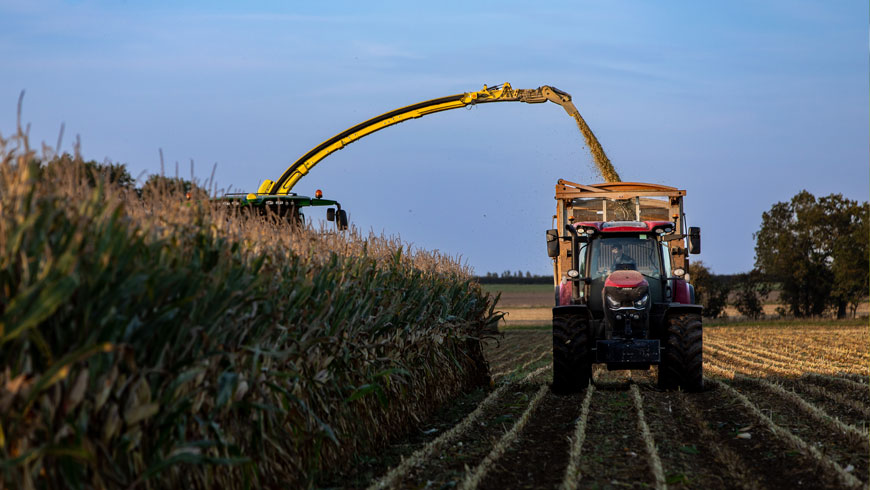
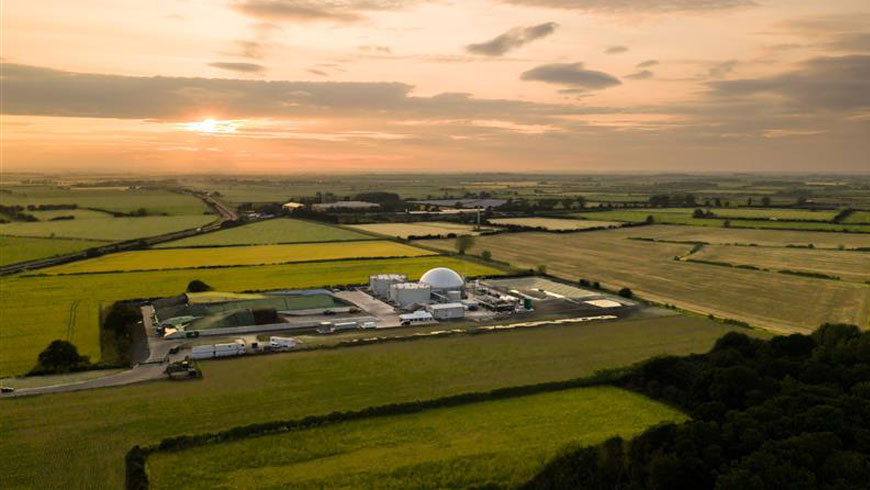
We source our crops from within 5-15 miles of our sites, reducing the freighting and road traffic. Our approach to utilising rotational crops shows how we actively discourage sequential monocropping which can degrade soils over time and reduce land productivity.

Biomethane production has a wide range of benefits
- Long-term offtake agreements
- Transparent, stable, premium pricing
- Lower income volatility
- Farm crop diversification
- Improve soils to increase subsequent crop yields
- Digestate off take minimised farm input costs
- Biomethane displaces fossil fuel usage for cleaner air
- Hedge rows encouraged to improve biodiversity
- All new sites deliver minimum 10% biodiversity net gain
- Improved soil health results in better soil microbiomes
- Fuel switching to biomethane reduces capital investment costs
- Long term pricing certainty
- Active contribution to Scope 1 targets
- Rapid speed of deployment
- Increased energy security
- Contributes to the UK’s National Declared Contributions and the UK’s legally binding climate targets
- Fosters investment in UK rural economies
- Invests in UK infrastructure
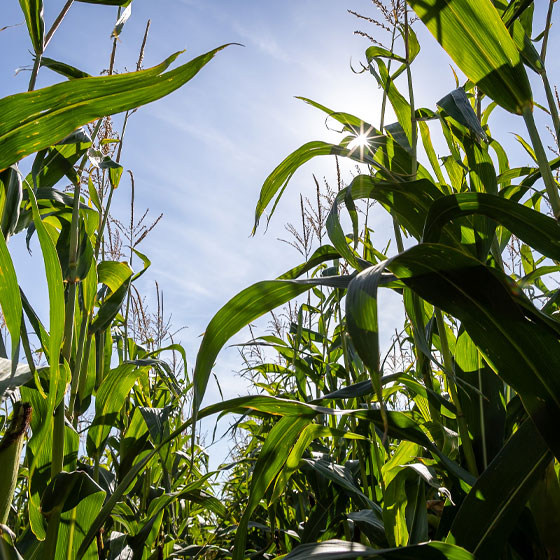
Bioenergy crops play a critical role in the transition to a low-carbon future, offering a renewable, homegrown source of energy that supports both rural economies and national climate ambitions. It is critical that these crops are grown responsibly and sustainably across the UK, forming an integral part of multifunctional land use alongside nature, national infrastructure and development and the production of food.