Food and Fuel
Supporting energy and food production
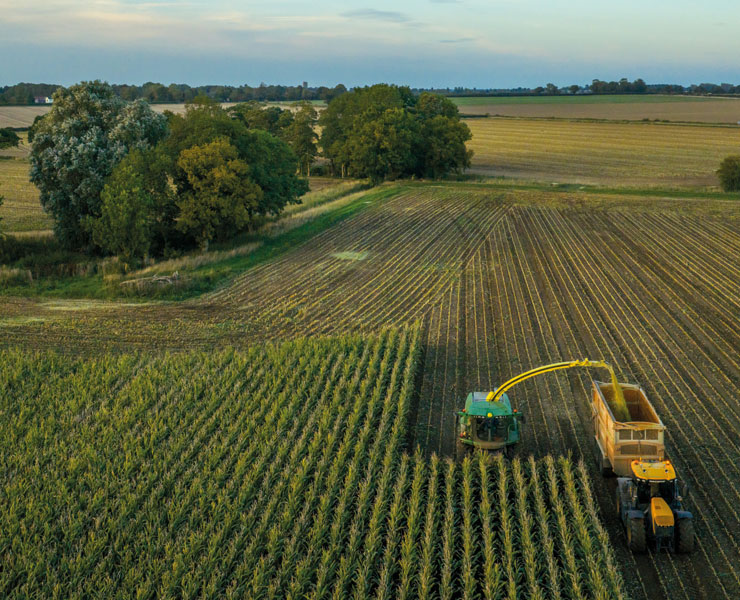
Land use
The UK is under pressure on multiple fronts.
We’re not on track to meet our legally binding Net Zero target by 2050. Food and energy prices are driving a cost-of-living crisis. And decades of intensive farming have left our soils in poor health, threatening long-term agricultural productivity – and sustainability.
At the centre of these three challenges? How we manage our land.
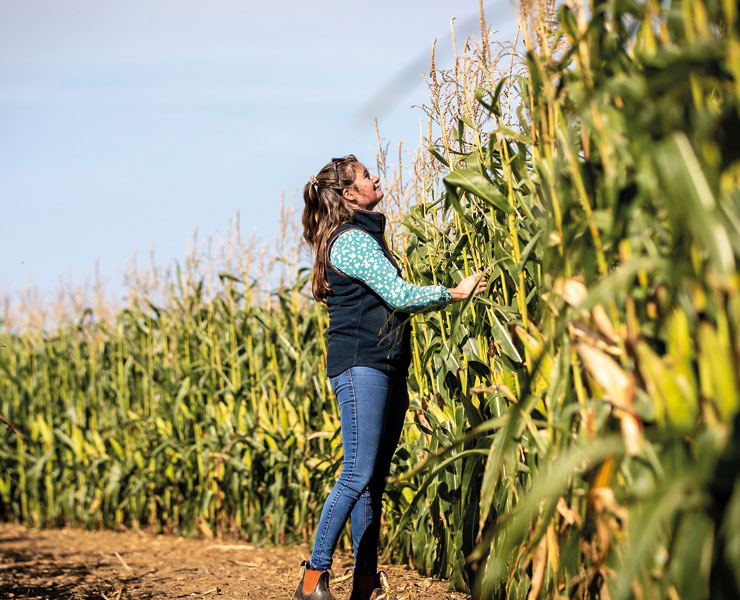
As land becomes an increasingly limited and valuable resource, it’s critical we get smarter about how we use it. Debate around ‘food vs fuel’ assumes land can only do one thing – grow food or produce energy crops. In reality, land is a dynamic resource. When managed sustainably, it can do both. With the right practices in place, a single field can shift roles across seasons, delivering a broad range of socio-economic and environmental benefits.
Anaerobic digestion (AD) can be integrated into modern crop rotations, using break crops that improve soil health while generating homegrown, low-carbon energy. The digestate it produces – a nutrient-rich, organic biofertiliser – is returned to the land, helping replenish soil carbon and reducing the need for carbon-intensive, artificial fertilisers.
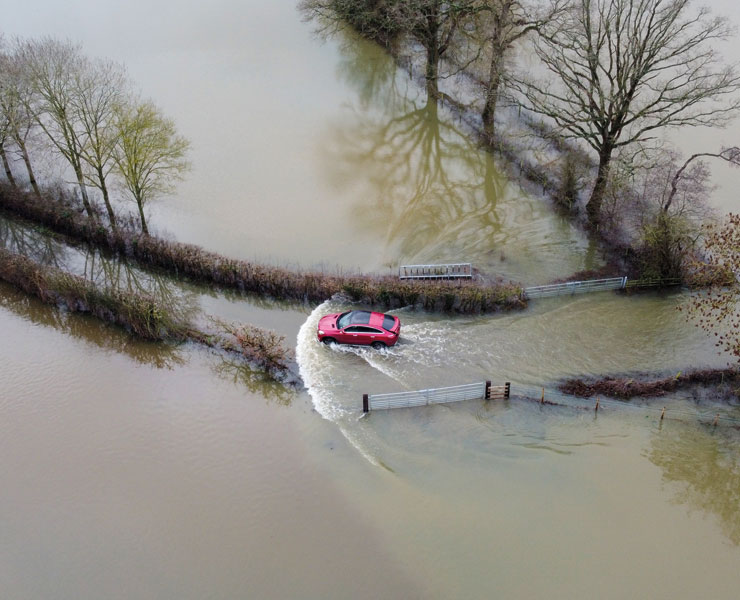
The UK’s independent climate advisers – the Committee on Climate Change – have been clear. We need to expand land use for bioenergy crops to meet our Net Zero target. But we also need to shift our mindset away from conventional farming.
By adopting regenerative, low-carbon agricultural practices, we can simultaneously improve energy security, food production, and biodiversity, and make meaningful progress towards Net Zero.
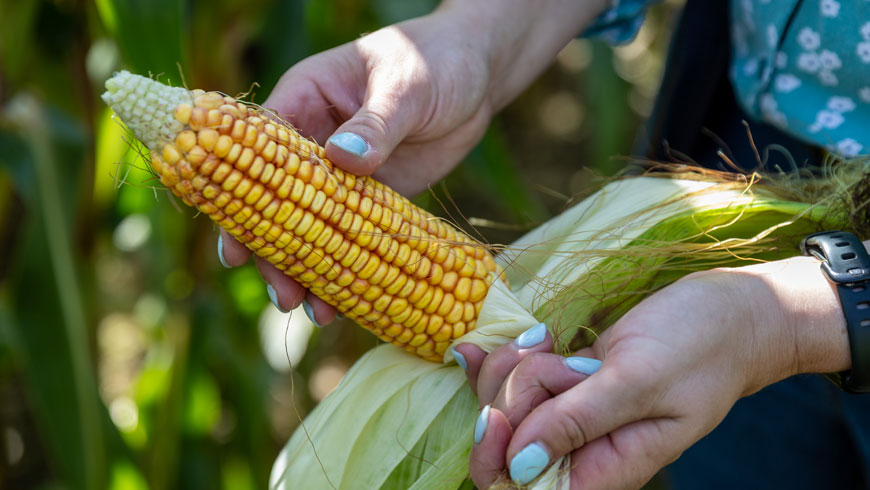
Holistic agriculture
Food and fuel – working together
Producing energy crops doesn’t have to come at the expense of food. Almost all the crop we use comes from within a 15 mile radius of our site, and is grown as part of a crop rotation which includes a variety of other crops.
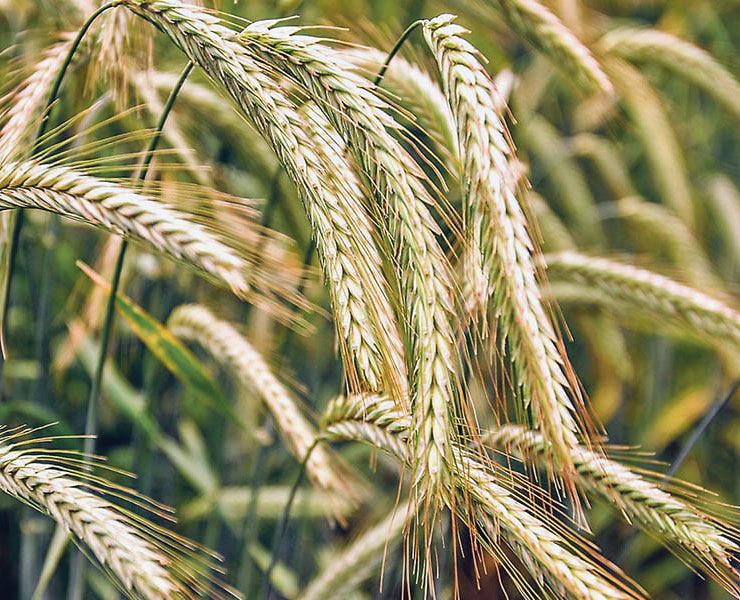
This balance supports the Committee on Climate Change’s (CCC) recommendation that around one-fifth of agricultural land will need to support bioenergy to deliver Net Zero. The CCC also highlights the importance of fast-growing bioenergy crops, cultivated through sustainable, low-carbon farming practices.
Across Europe, this model is already proving its worth. In Italy, the “Biogas Done Right” initiative – developed by the Italian trade association CIB alongside Professor Bruce Dale of Michigan State University – has shown how food, fuel and environmental benefits can be achieved together. Over the past five years, their approach has been successfully adapted to a range of farming systems, with clear lessons for the UK.
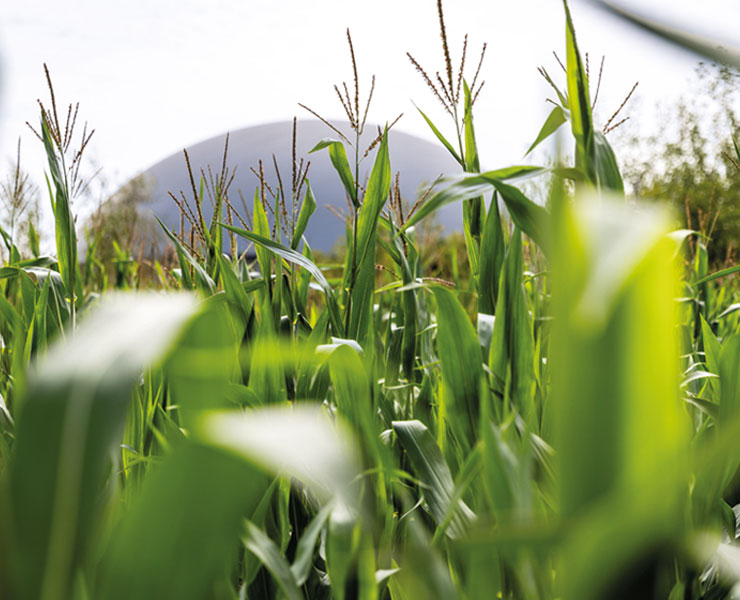
Anaerobic digestion can be a fundamental part of a new generation of UK farms – producing food and energy side by side, using practices that support soil health, cut emissions and match our Net Zero goals.
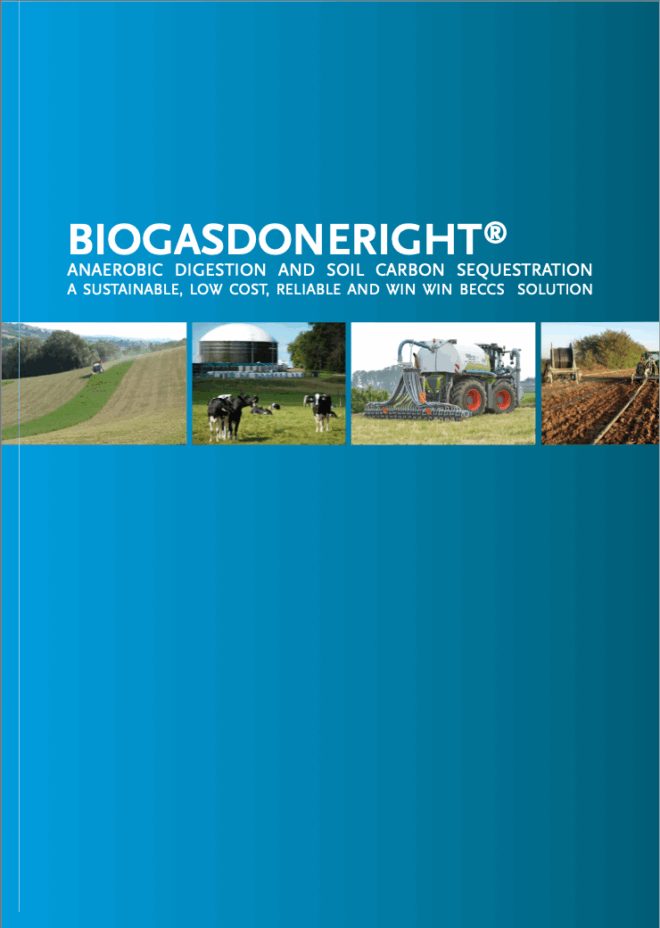
Pioneering work in 2017, led by Professor Bruce Dale and the Consorzio Italiano Biogas (CIB), demonstrated crops grown for biogas and integrated with Italian crop rotations brought significant benefits to the farm, environment and local communities. This approach to sustainable farming and biogas production proved to be so effective, the EU is including it in its Renewable Energy Directive.