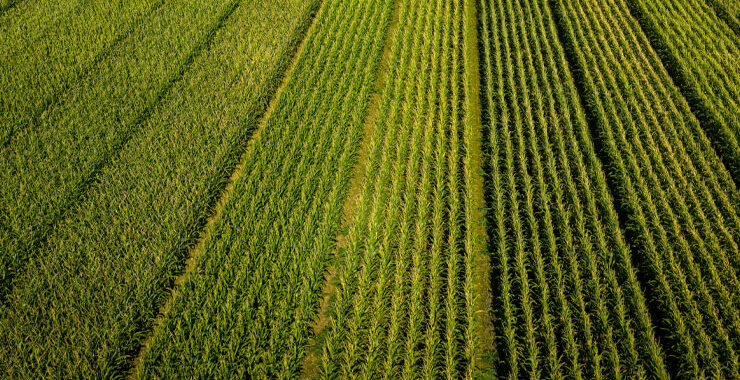
Crops we typically use
We understand the value of soil organic matter, biodiversity, diverse crop rotations and reduced reliance on artificial inputs onto the land; hence why we promote the principles of regenerative agriculture and growing energy crops as part of sustainable food production rotations.
At Future Biogas we predominantly use:
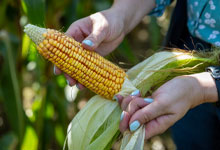
Maize is one of the most energy-dense and reliable feedstocks used in anaerobic digestion, delivering high methane yields per hectare. Its high starch content makes it highly digestible for biogas microbes, ensuring steady gas output and efficient plant performance. As a silage crop, maize can be harvested and stored with relatively low spoilage risk, providing a dependable base feedstock throughout the year. From a farming perspective, it offers a predictable growing cycle and works well in crop rotation systems. At Future Biogas, maize is a cornerstone crop—valued not only for its biogas potential but also for the well-established logistics and agronomy supporting its use.
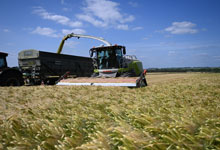
Whole crop rye and barley also form an important part of our feedstock ration, spanning a different growing season to maize, spreading risk and providing alternative rotational opportunities for farmers. Being drilled in the autumn, whole crop rye and whole crop barley also provide good ground cover and soil protection over the winter months. Harvest is in the second half of June (earlier than if harvested as a grain) meaning the crop helps to interrupt the lifecycle of endemic weeds such as black grass which has limited alternative controls.
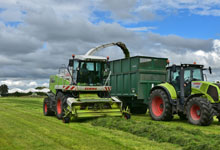
Multi-species grass leys form a small part of our feedstock mix. Benefits to farms include restoring soil organic matter (by having continuous living root structures for a number of years) and extending the arable rotation. Grass also responds well to the use of liquid digestate for nutrition and can have up to three cuts per year between May and July.
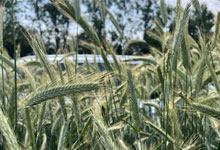
We are increasingly trialling alternative whole crop cereals as feedstocks, including companion crop combinations, which help to increase the diversity of crops on farm.
Alternatives include oats, triticale, and rye and vetch.
We are also reviewing and trialling novel crop feedstocks such as perennials, and assessing how these align with agri-environmental policies and regenerative farming practices.
Our proactive farming team, along with our research and development, mean the feedstocks used for our plants are as efficient as possible. Over time, we aim to constantly improve the sustainability of our crops, while decreasing costs and increasing yields per hectare.
Building resilience with crop rotations
Reducing Pests and Diseases
 Rotating crops breaks the life cycles of pests and pathogens that target specific plants, reducing infestations and the need for chemical pesticides.
Improving Soil Fertility
 Different crops draw on and replenish different nutrients, helping to balance soil composition and maintain long-term fertility.
Enhancing Soil Structure
 Alternating deep- and shallow-rooted crops improves soil aeration and stability, helping it retain water and resist erosion.
Supporting Biodiversity
 A variety of crops encourages a healthier ecosystem, attracting beneficial insects and microorganisms that contribute to soil and plant health.
Reducing Reliance on Artificial Inputs
 With improved nutrient cycling and natural pest control, farmers can reduce the use of synthetic fertilisers and sprays, cutting both costs and emissions.
Boosting Yields and Resilience
 Healthy, well-structured soils and reduced pest pressure lead to more consistent, higher-quality harvests, even in changing climate conditions.
Crop Rotations
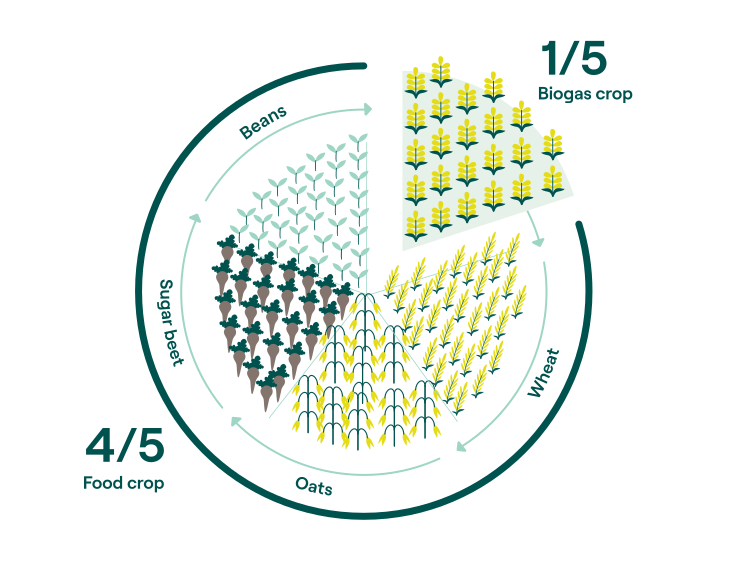
Crop rotation is the practice of growing different types of crops in the same field across a sequence of seasons or years, rather than planting the same crop repeatedly. This simple but powerful approach helps maintain and improve soil health, as different plants use and replenish nutrients in varying ways. By rotating crops, farmers can reduce pest and disease cycles, improve soil structure, and enhance biodiversity within the land. It also supports better water retention and reduces the need for synthetic fertilisers and pesticides. In short, crop rotation is a cornerstone of sustainable and regenerative agriculture, helping to keep soils productive, resilient, and alive for future generations.
The growers we work with typically include an energy crop in one in 5 rotations – supporting British food systems as well as British energy systems.