How it Works
Project Carbon Harvest
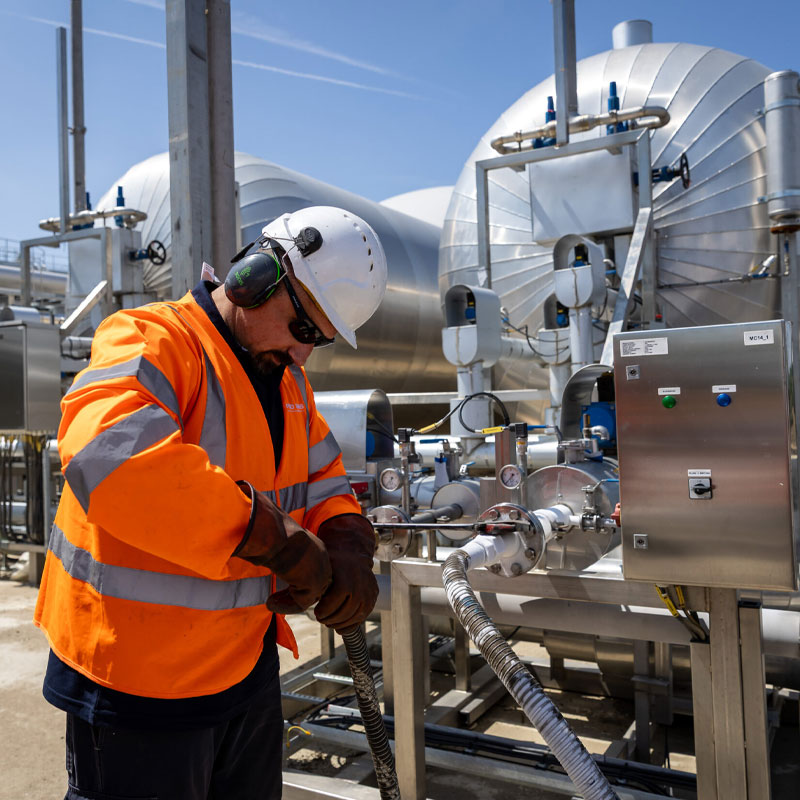
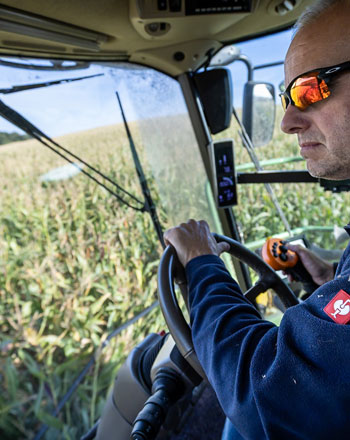
Project Carbon Harvest is the UK’s first unsubsidised biomethane initiative – a significant milestone in the journey toward decarbonising the national energy system. By producing biomethane from locally sourced, sustainably grown crops and injecting it into the national grid, we are delivering a secure, domestic, renewable alternative to fossil-based natural gas. This also benefits UK farmers by improving crop rotations and reducing reliance on fossil inputs, such as synthetic fertilisers, sprays and diesel – ensuring a balance between energy security, food production and soil health.
As crops grow, they naturally absorb CO2 from the atmosphere. Project Carbon Harvest stands apart for its ability to capture this carbon and purify it, either for use in industrial processes or products, or for permanent storage. The result is a net reduction in atmospheric CO2 – the key driver of global warming.
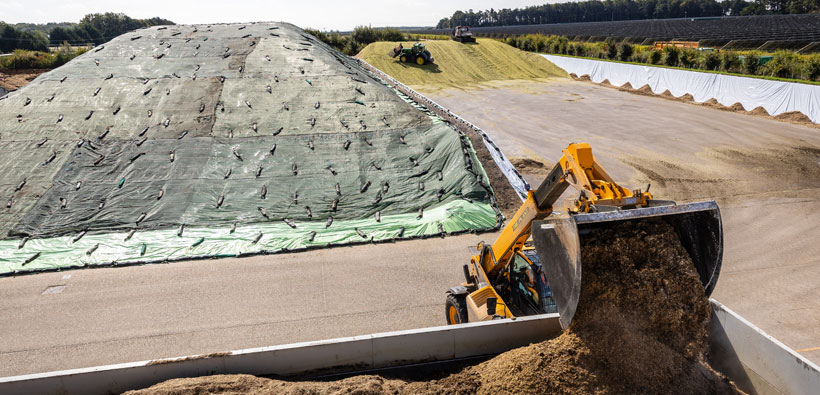
Humans have been producing energy from anaerobic digestion for centuries, with early evidence tracing back to Assyria in the 10th century BCE. In the UK, Exeter pioneered its commercial use in 1895, using biogas from sewage sludge to power street lamps. Today, the same natural process is harnessed at commercial scale to produce renewable biogas for heat, power, and transport.
Our Products
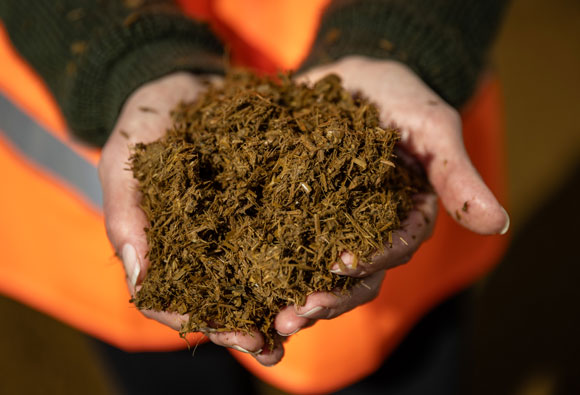
Anaerobic digestion results in three core outputs
Key Stats
Case Studies
AstraZeneca & Future Biogas
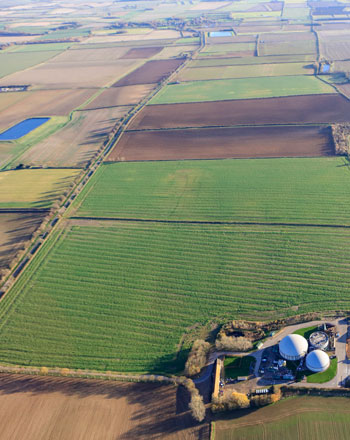
Gonerby Moor, Lincolnshire
Our new generation of unsubsidised plants are more than a renewable energy initiative. It’s a programme setting a new benchmark for how industries can collectively achieve Net Zero. This is the beginning of a transformative journey towards a cleaner, greener future for energy and agriculture alike.



Who We Work With
Data Centres
General Manufacturing
Heavy Industry
Consultants