What is biomethane?
Biomethane is a renewable gas created by upgrading biogas, which is produced when organic materials like crops, food waste, or manure break down through anaerobic digestion. The raw biogas contains a mixture of gases, but through cleaning and upgrading processes, coproducts such as carbon dioxide (CO2), hydrogen sulphide (H2S), and water vapour are separated.
What remains is biomethane – a high-purity form of methane (CH4), which is the same main component found in fossil natural gas. Because its chemical makeup is identical (CH4), biomethane can be used interchangeably with natural gas. It can be injected directly into the existing gas grid, used for heating and electricity generation, or liquified or compressed to be used as a transport fuel.
The environmental benefits are clear. By displacing fossil gas, biomethane significantly reduces greenhouse gas emissions, while also creating value from organic waste streams and supporting a circular economy. When paired with sustainable feedstocks and carbon capture technologies, biomethane can even deliver carbon-negative energy.
As part of the global energy transition, biomethane provides one of the most effective ways to decarbonise hard-to-electrify sectors such as heavy industry, transport, and heating. Its chemical simplicity (CH4) belies its importance as a powerful, scalable solution for achieving net-zero targets.
Biomethane production has a wide range of benefits
- Long-term offtake agreements
- Transparent, stable, premium pricing
- Lower income volatility
- Farm crop diversification
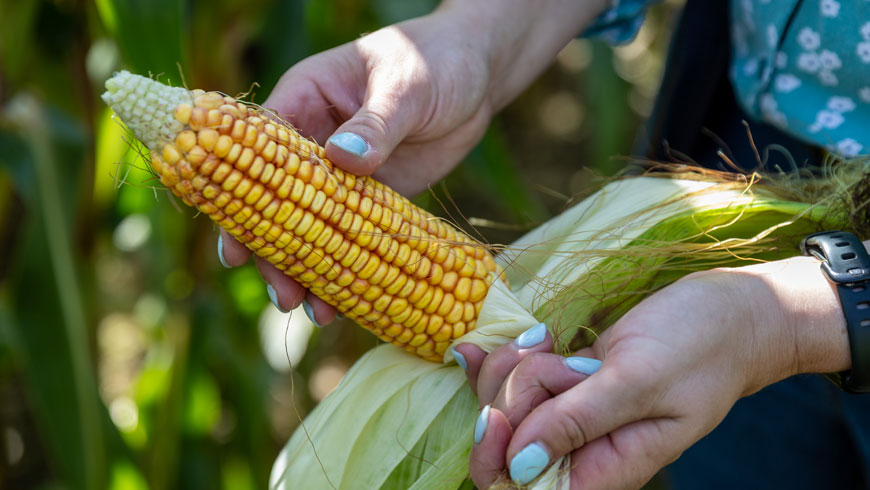
- Improve soils to increase subsequent crop yields
- Digestate offtake minimised farm input costs
- Biomethane displaces fossil fuel usage for cleaner air
- Hedge rows encouraged to improve biodiversity
- All new sites deliver minimum 10% biodiversity net gain
- Improved soil health results in better soil microbiomes
- Fuel switching to biomethane reduces capital investment costs
- Long term pricing certainty
- Active contribution to Scope 1 targets
- Rapid speed of deployment
- Increased energy security
- Contributes to the UK’s National Declared Contributions and the UK’s legally binding climate targets
- Fosters investment in UK rural economies
- Invests in UK infrastructure
Solutions
Unsubsidised Biomethane
Future Biogas can virtually sleeve unsubsidised biomethane via the existing gas grid to meet your gas demand. We develop new build new fully additional anaerobic digesters with Carbon Capture to meet demand. Green gas is load balanced through the grid with a full chain of custody proving that the gas you consume is met by equal green gas development.
We Can Offer
5 Year
Offtake options – fixed pricing linked to CPI
10 Year
Offtake options – fixed pricing linked to CPI
15 Year
Offtake options – fixed pricing linked to CPI
What You Get
Zero carbon solution
all independently audited with life cycle analysis and carbon intensity reporting.
Unsubsidised low emission biomethane
means your company assumes full attribution for all climate benefits.
Fully additional biomethane
is 100% attributable to you, so you can operate with integrity and without fear of greenwashing.
Contact us
Ready to talk to the experts about your needs?
Our experience
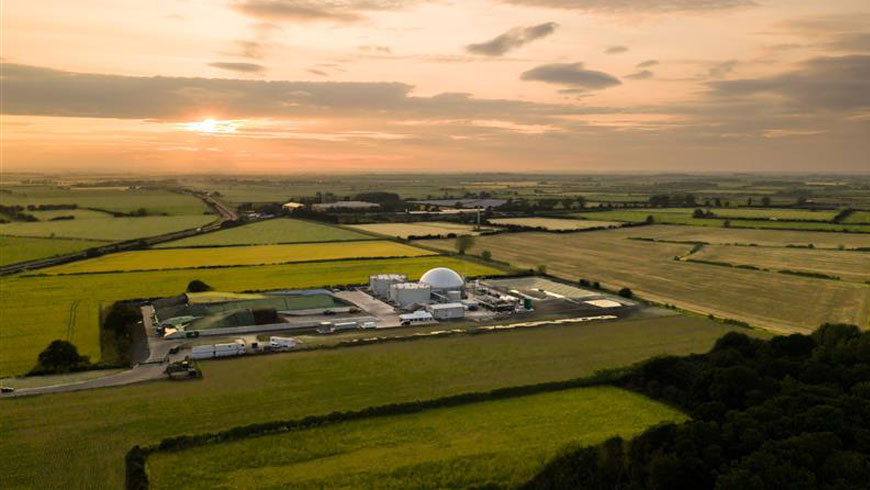
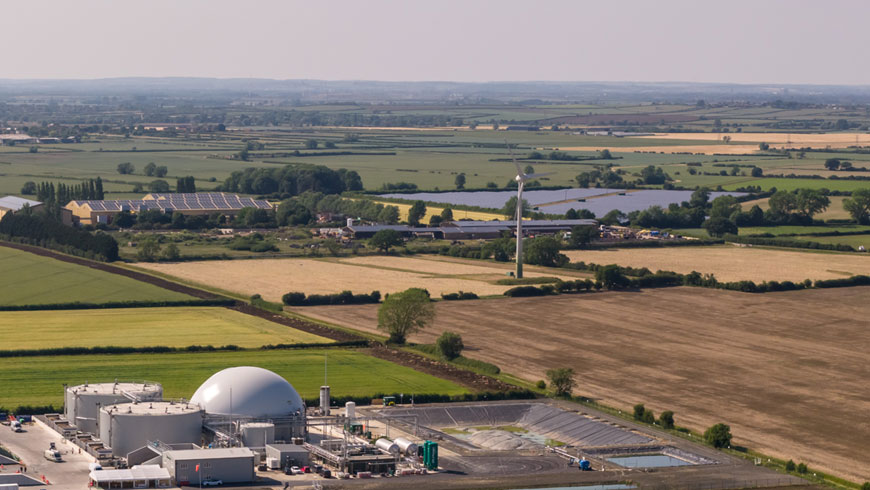
Project Carbon Harvest is the UK’s first unsubsidised biomethane initiative, marking a major step in decarbonising the national energy system. It produces biomethane from locally grown sustainable crops and feeds it into the national grid, providing a secure, domestic, renewable alternative to fossil gas. The project also supports UK farmers by improving crop rotations and reducing dependence on fossil-based inputs, helping balance energy security, food production and soil health.
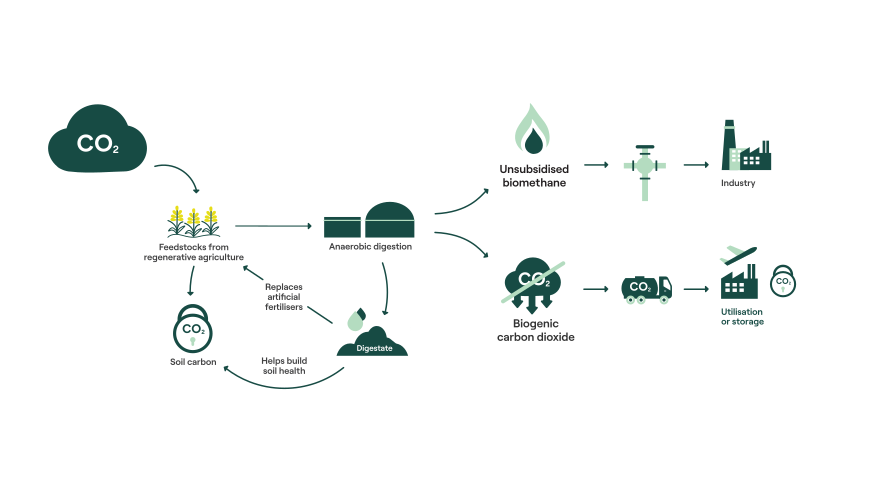
Our advanced process results in three valuable resources:
- Biomethane – CH4 (renewable green gas)
- Biogenic carbon dioxide – CO2 (biogenically derived carbon dioxide)
- Biofertiliser (also known as digestate)
Cultivating Net Zero
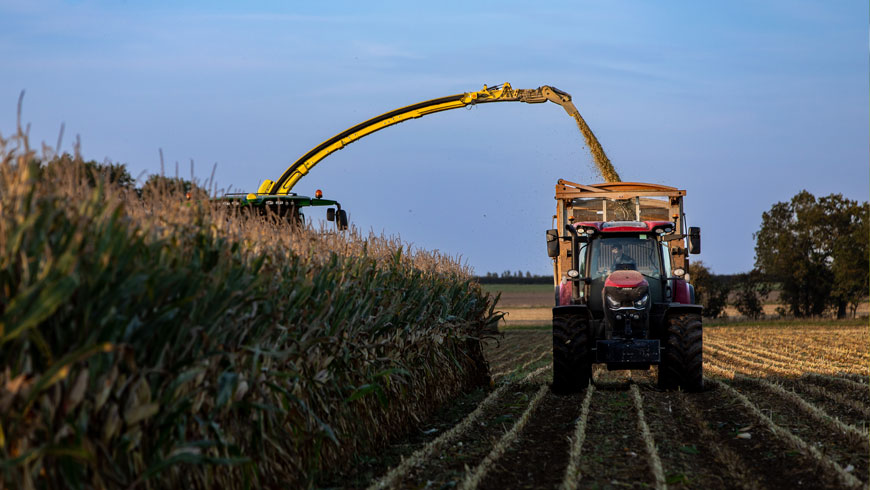
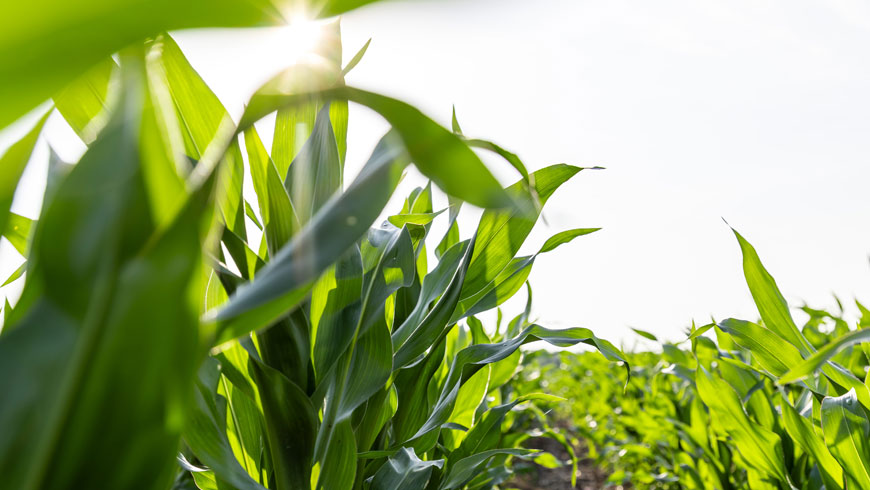
At its core, anaerobic digestion is a natural biological process. As plants grow, they absorb CO2 from the atmosphere and convert it into organic compounds through photosynthesis. Once harvested, crop feedstock is fed into anaerobic digesters, where micro-organisms break it down in oxygen-free conditions, producing biogas and leaving a valuable residue called digestate.
Biomethane is not a silver bullet, but does have a key role to play in the energy mix. It is:
- Often quicker to secure a grid connection than electricity
- More available and cost effective than hydrogen
- Still effective for high heat executions
- Can be a viable feedstock for chemical processes
Case Studies
AstraZeneca & Future Biogas
Gonerby Moor, Lincolnshire
Biomethane FAQs
There are many questions about biomethane.
In the UK, biogas is produced from a range of organic matter including energy crops, food waste, animal manure, and sewage sludge.
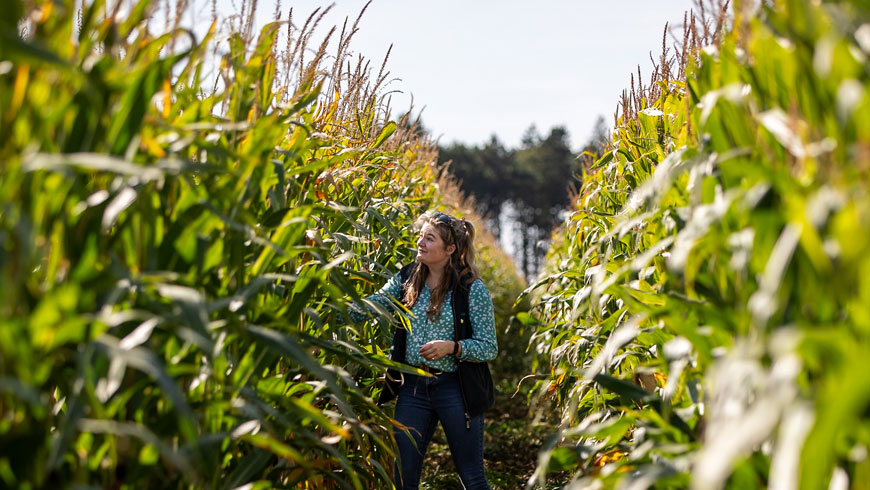
At Future Biogas, our sites predominantly use rotational energy crops, typically maize, rye, barley and grass to produce biogas. These energy crops are grown by farmers, every few years between food crops such as wheat, oats, potatoes etc. and serve as a way of improving overall food yields and soil health.
Electrification isn’t yet feasible for all decarbonisation (e.g. heavy transport, high heat requirements and many industrial processes like steel and cement manufacture). Biomethane provides a renewable, dispatchable option which is available today whilst other decarbonisation options are yet to become technically or financially feasible at scale.
At Future Biogas, we advocate for organisations to avoid all emissions where possible such as by electrifying machinery, then, reducing reliance on fossil fuels by improving efficiency such as by insulation or more efficient processes and then switching remaining fossil fuels required to a more sustainable solution such as biomethane. We agree – if a process can be electrified it should be! This isn’t about backing fossil fuels. It’s about making real climate progress now – with every tool we’ve got.
Anaerobic digestion is a natural process where micro-organisms break down organic feedstock in an oxygen-free environment to create biogas – made up of biomethane, biogenic CO2, and digestate. It is one of the most efficient and cost-effective ways of capturing CO2 and removing it from the atmosphere.
- Natural gas is a fossil fuel extracted from under the earth. It is fossilised organic matter that has formed over millions of years, stored below ground, and predominantly made up of methane. It is typically used as a fuel to generate heat, such as in a boiler or a gas hob.
- Biogas is the raw product of anaerobic digestion and typically consists of about 52% methane (CH4) and 48% carbon dioxide (CO2)
- Biomethane is purified biogas (CH4). It is molecularly identical to methane from fossil fuels; however, it’s renewably produced through the process of anaerobic digestion and is generated from organic materials like organic waste or energy crops. This makes biomethane a sustainable alternative to fossil fuels
Yes, biomethane is 100% renewable. It is produced from organic materials that can be regrown or replenished, ensuring a sustainable energy cycle.
the sustainability of our biomethane is measured, recorded and independently verified. This renewable energy source supports goals to reduce greenhouse gas emissions and aligns with the Committee on Climate Change’s (the CCC’s) recommendations for agricultural contributions Net Zero.