Intent & Goal Setting
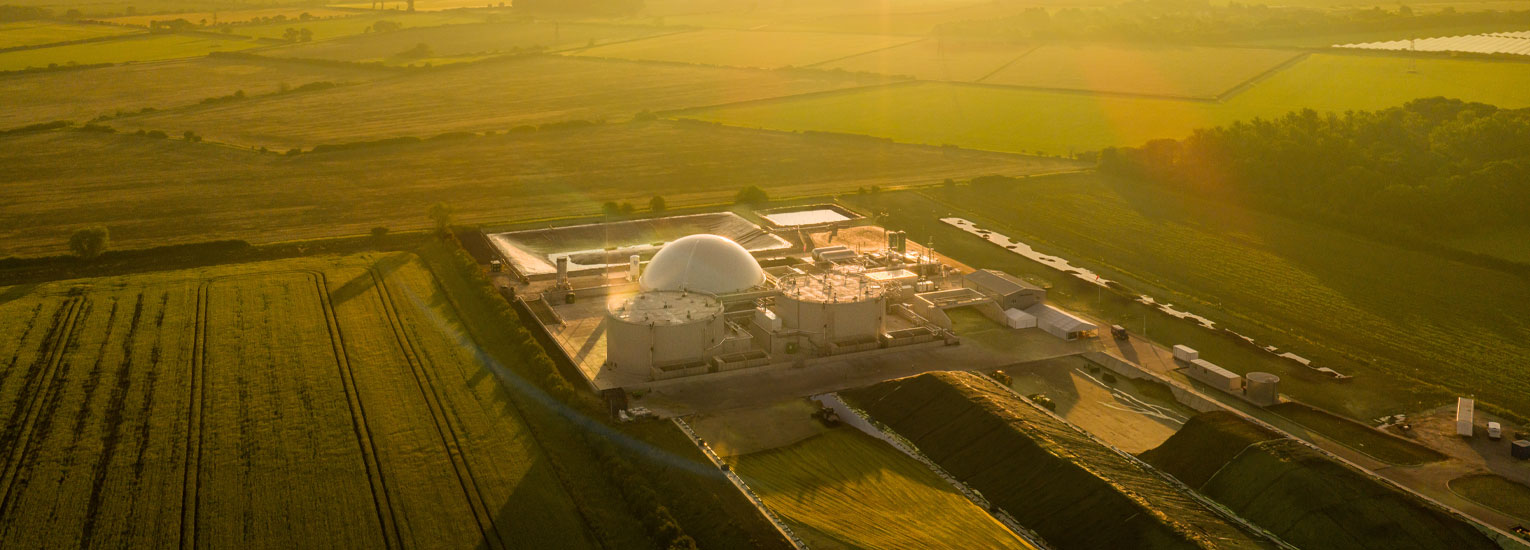
AstraZeneca set out with one of the most ambitious Paris-aligned carbon targets in the healthcare sector, committing to a 98% reduction in absolute Scope 1 and 2 greenhouse (GHG) emissions by 2026 and a 50% reduction in absolute Scope 3 emissions by 2030 (from a 2019 baseline).
To get there, they applied the Avoid > Reduce > Substitute > Sequester framework, questioning every process, challenging entrenched technologies, and refusing to rely on easy wins like unverified offsets. They developed a target approved by the Science-Based Targets initiative, developing a Paris-aligned pathway, ensuring targets were measurable, transparent, and aligned with the best available global climate science.
Careful Planning & Partnership
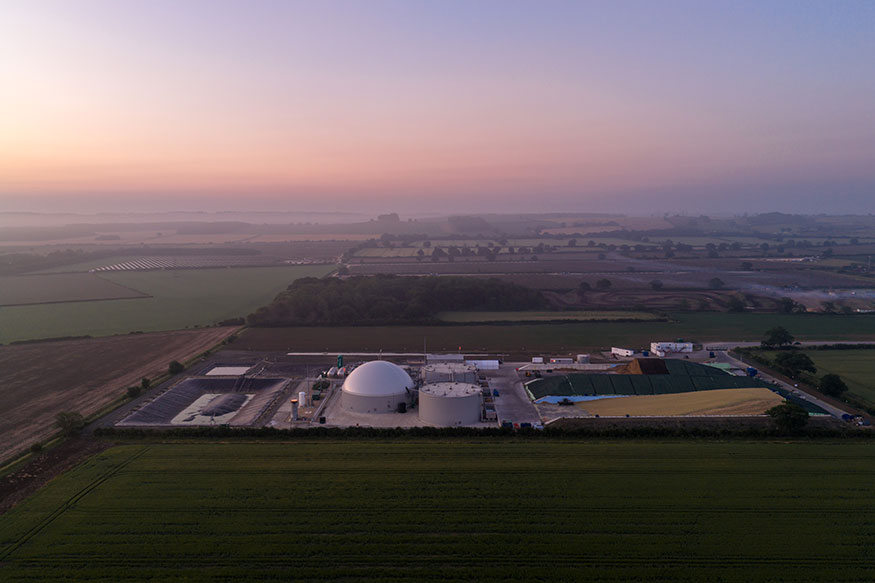
Engaging with Future Biogas was a natural progression in this journey. AstraZeneca sought not to purchase credits or Renewable Gas Guarantees of Origin (RGGOs) from a government subsidised plant, but to create new additional biomethane capacity that truly added capacity to the energy system. Together, both organisations committed to an intensive planning process that involved:
- Transparent accounting and open-book collaboration.
- Long-term contracts that supported local farming communities and sustainable feedstocks.
- Integrating carbon capture technologies to remove emissions at source.
- Best practice standards, monitoring, verification and third-party accreditation to hold all parties to account.
This was not a transactional arrangement — it was a strategic, long-term partnership, with both sides fully invested in the outcome.
Execution
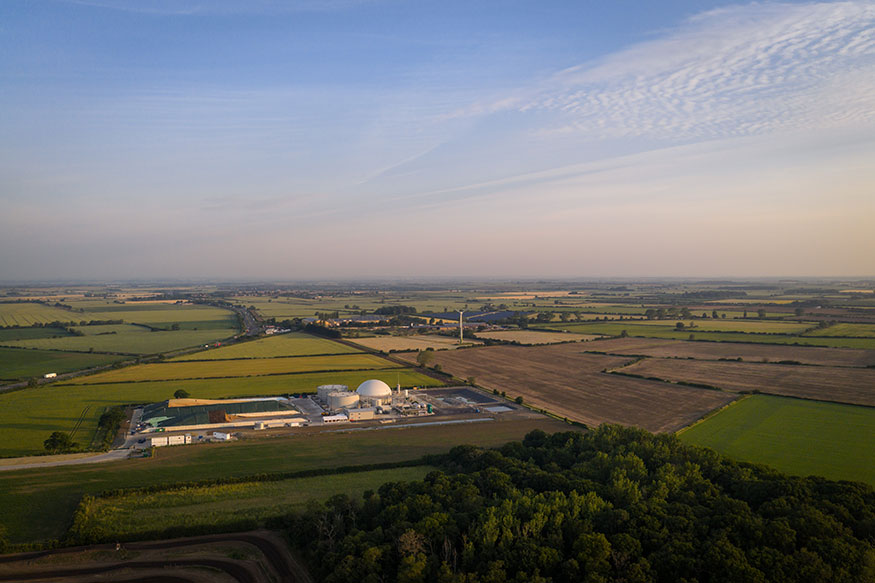
The result was the Moor Bioenergy Plant in Lincolnshire — the UK’s first unsubsidised biomethane plant dedicated to industry. By operating without subsidy, the project avoided any perception of greenwashing, ensuring AstraZeneca’s actions were rooted in genuine climate impact. The facility now supplies over 100 GWh of renewable energy annually, covering around 20% of AstraZeneca’s global gas use and displacing 18,000 tonnes of CO₂e emissions per year.
The plant also incorporates carbon capture, with captured CO₂ either repurposed industrially or permanently sequestered underground, further enhancing climate benefits and displacing another 14,000+ tonnes of CO₂ typically derived from fossil fuels.
Results & Impact
Through Future Biogas, AstraZeneca is:
- Decarbonising healthcare by removing fossil gas from critical R&D and manufacturing operations.
- Strengthening UK green energy capacity, adding new unsubsidised generation to the energy mix.
- Championing systemic change, showing how bold private investment can scale renewable gas without subsidies.
- Inspiring others to follow suit, proving that unsubsidised, industry-grade biomethane is commercially viable today.
Conclusion
AstraZeneca’s partnership with Future Biogas demonstrates what happens when ambition meets innovation. By refusing to take shortcuts, embracing transparency, and investing in new capacity, they’ve set a new benchmark for industrial decarbonisation. This is not just a success story for biogas — it’s a blueprint for how global businesses can lead the energy transition with integrity.
renewable energy annually
to AstraZeneca UK
tonnes of CO₂e emissions per year
Company’s total global
gas use.
Get In Touch

Like to know more about how this industry-leading, award-winning collaboration can be replicated?
